
Poco X8 Pro Max vs Xiaomi 13 Ultra
Compare sourced specifications, release dates and prices. CoreInfo does not declare a universal winner.
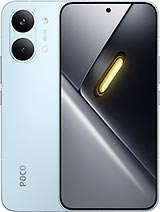 Xiaomi
Poco X8 Pro Max
₹49,990
Higher spec-score estimate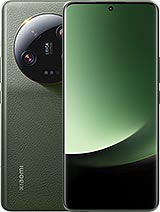 Xiaomi
 13 Ultra
₹71,499
Specification Comparison
| Feature | Poco X8 Pro Max | Xiaomi 13 Ultra |
|---|---|---|
| Launch Date | 17 March 2026 | April 2023 |
| Display | 6.83 inches, AMOLED, 120Hz | 6.73 inches, OLED, 120Hz |
| Processor | Mediatek Dimensity 9500s | Qualcomm Snapdragon 8 Gen2 |
| RAM | 12 GB | 12 GB |
| Storage | 256 GB | 256 GB |
| Main Camera | 50 MP ƒ/1.5 (Wide Angle) · 26mm (wide), 1/1.95", 0.8µm, PDAF, OIS · 8 MP ƒ/2.2 (Ultra Wide) · 15mm (ultrawide), 1/4.0", 1.12µm | 50.3 MP ƒ/1.8 (Wide Angle) · 23mm, 1.0"-type, 1.6µm, Dual Pixel PDAF, Laser AF, OIS · 50 MP ƒ/3 (Telephoto) · 120mm, 1/2.51", PDAF, OIS, 5x optical zoom · 50 MP (Telephoto) · 1/2.51", PDAF, OIS, optical zoom · 50 MP (Ultra Wide) · 12mm, 1/2.51", PDAF |
| Front Camera | 20 MP ƒ/2.2 (Wide Angle) | 32 MP ƒ/2.4 (Wide Angle) · 25mm, 0.7µm, Autofocus, Screen Flash |
| Battery | (higher on this row)9000 mAh | 5000 mAh |
| Operating System | Android v16 | Android v13 |
| Price | (the lower stored price)₹49,990 | ₹71,499 |
| Type | Non-Removable Battery, AMOLED, Smartphone | Non-Removable Battery, OLED, Smartphone |
| Charging | 100W Fast charging, 27W | 90W Fast Charging, 50W, 10W |
| Capacity | (higher on this row)9000 mAh | 5000 mAh |
| Weight | (lower on this row)218 g | 227 g |
| Dimensions | 77.9 x 162.9 x 8.2 mm | 74.6 x 163.2 x 9.1 mm |
| Colors | Black, White, Blue | Black, Olive Green, White |
| Water Resistance | 1.5 m up to 30 min | 1.5 m up to 30 min |
| IP Rating | IP66/IP68/IP69/ IP69K | IP68 |
| SIM | Dual Sim, GSM+GSM, Nano+Nano SIM | Dual Sim, GSM+GSM, Nano SIM |
| Video | 4K @ 30/60 fps UHD, 1080p @ 30/60 fps FHD, 1080p @ 60 fps FHD | 4K @ 30/60 fps UHD, 8K, 1080p @ 30 fps FHD, 720p @ 3840 fps HD, K |
| Features | Yes, LED, 2000 nits (HBM), 3500 nits (peak), HDR10+, Dolby Vision | Yes, Dual LED, HDR10+, Dolby Vision, 240 Hz Touch Sampling Rate |
| 5G | Yes | Yes |
| Network | Yes | Yes |
| VoLTE | Yes, Dual Stand-By | Yes, Dual Stand-By |
| WiFi | Wi-Fi 7 | Wi-Fi 6 (802.11 a/b/g/n/ac/ax), Dual Band |
| Bluetooth | Yes, v6.0, A2DP, LE | Yes, v5.3, A2DP, LE, aptX HD |
| USB | USB-C v2.0, USB on-the-go, USB Charging | USB-C v3.2, USB Tethering, USB on-the-go, USB Charging |
| GPS | Yes, with A-GPS. Up to tri-band: GLONASS, BDS, GALILEO, QZSS, NavIC | Yes, with tri-band A-GPS, GLONASS, BeiDou, NavIC Support |
| Other | Yes, Ultrasonic In-Display Fingerprint Sensor, Proximity Sensor, Ambient Light Sensor, Accelerometer, E-Compass, Gyroscope, IR Blaster, Flicker Sensor, 3D IceLoop Cooling System, X-axis Linear Motor, Circle to Search with Google, Google Gemini, AI Writing, AI Speech Recognition, AI Interpreter, LPDDR5X Ultra, UFS 4.1 | Yes, Accelerometer, Gyro, Compass, Color Spectrum, Barometer, Loop Liquid Cooling, LPDDR5X RAM, UFS 4 |
| Size | 6.83 inches, 1280 x 2772 pixels, 120 Hz | 6.73 inches, 1440 x 3200 pixels, 120 Hz |
| Protection | Corning Gorilla Glass 7i | Corning Gorilla Glass Victus |
| Refresh Rate | 120Hz | 120Hz |
| Fingerprint | Yes, In Display | Yes, In Display |
| Release Date | March 17, 2026 | April 18, 2023 |
| Model | 2602BPC18G | Mi 13 Ultra |
| Chipset | Mediatek Dimensity 9500s | Qualcomm Snapdragon 8 Gen2 |
| CPU | 3.73 GHz, Octa Core Processor | 3.2 GHz, Octa Core Processor |
| GPU | Immortalis-G925 MC12 | Adreno 740 |
| UI | HyperOS 3 | MIUI 14 |
| Updates | 4 years OS updates, 6 years security updates | - |
| 3.5mm jack | No | No |
| Speakers | Dual Stereo, Hi-Res Audio, Stereo Speakers, Dolby Atmos | - |
| NFC | - | Yes |
Shaded cells mark the higher stored value on that row - and the lower one for weight and price. Rows where the better choice depends on what you want, such as panel type or operating system, are left plain. This is a reading aid, not a verdict: how the comparison works.
Specification strengths: Poco X8 Pro Max
- Extra-large 9000 mAh battery for multi-day endurance
- 12 GB RAM for excellent multitasking
- Capable 50 MP ƒ/1.5 (Wide Angle) · 26mm (wide), 1/1.95", 0.8µm, PDAF, OIS · 8 MP ƒ/2.2 (Ultra Wide) · 15mm (ultrawide), 1/4.0", 1.12µm main camera for quality shots
- Vibrant AMOLED, 120Hz display with deep blacks and rich colors
- Expansive 6.83-inch display for immersive viewing
- Flagship-tier Mediatek Dimensity 9500s for top performance
- Dust and water resistant for durability
- Quality audio with 2000 nits (HBM), 3500 nits (peak), HDR10+, Dolby Vision
Specification strengths: Xiaomi 13 Ultra
- Reliable 5000 mAh battery for full-day use
- 12 GB RAM for excellent multitasking
- Capable 50.3 MP ƒ/1.8 (Wide Angle) · 23mm, 1.0"-type, 1.6µm, Dual Pixel PDAF, Laser AF, OIS · 50 MP ƒ/3 (Telephoto) · 120mm, 1/2.51", PDAF, OIS, 5x optical zoom · 50 MP (Telephoto) · 1/2.51", PDAF, OIS, optical zoom · 50 MP (Ultra Wide) · 12mm, 1/2.51", PDAF main camera for quality shots
- High-quality 32 MP ƒ/2.4 (Wide Angle) · 25mm, 0.7µm, Autofocus, Screen Flash selfie camera
- Vibrant OLED, 120Hz display with deep blacks and rich colors
- Expansive 6.73-inch display for immersive viewing
- Flagship-tier Qualcomm Snapdragon 8 Gen2 for top performance
- Dust and water resistant for durability
- Quality audio with HDR10+, Dolby Vision, 240 Hz Touch Sampling Rate
Considerations: Poco X8 Pro Max
- No significant drawbacks for most users
Considerations: Xiaomi 13 Ultra
- No significant drawbacks for most users
Strengths and considerations are derived from the listed specifications, not from independent lab tests or user reviews.
Spec-score comparison
Poco X8 Pro Max has the higher CoreInfo spec score, a specification-derived heuristic rather than a measured benchmark. The Poco X8 Pro Max lists the Mediatek Dimensity 9500s while the Xiaomi 13 Ultra lists the Qualcomm Snapdragon 8 Gen2. The sourced price is ₹49,990 for the Poco X8 Pro Max and ₹71,499 for the Xiaomi 13 Ultra. Compare the stored fields below against your own priorities.
Frequently Asked Questions
What are the main differences between Poco X8 Pro Max and Xiaomi 13 Ultra?
Poco X8 Pro Max features the Mediatek Dimensity 9500s with 12 GB RAM, while Xiaomi 13 Ultra comes with the Qualcomm Snapdragon 8 Gen2 with 12 GB RAM. Poco X8 Pro Max has a 6.83 inches display, while Xiaomi 13 Ultra has a 6.73 inches display.
What camera does each device list?
The Poco X8 Pro Max lists a 50 MP ƒ/1.5 (Wide Angle) · 26mm (wide), 1/1.95", 0.8µm, PDAF, OIS · 8 MP ƒ/2.2 (Ultra Wide) · 15mm (ultrawide), 1/4.0", 1.12µm main camera; the Xiaomi 13 Ultra lists a 50.3 MP ƒ/1.8 (Wide Angle) · 23mm, 1.0"-type, 1.6µm, Dual Pixel PDAF, Laser AF, OIS · 50 MP ƒ/3 (Telephoto) · 120mm, 1/2.51", PDAF, OIS, 5x optical zoom · 50 MP (Telephoto) · 1/2.51", PDAF, OIS, optical zoom · 50 MP (Ultra Wide) · 12mm, 1/2.51", PDAF main camera. These are published specifications, not measured image-quality results.
What battery capacity does each device list?
The Poco X8 Pro Max has a 9000 mAh battery, while the Xiaomi 13 Ultra has a 5000 mAh battery.
How do the listed prices compare?
The Poco X8 Pro Max is priced at ₹49,990, while the Xiaomi 13 Ultra costs ₹71,499.
How do I choose between Poco X8 Pro Max and Xiaomi 13 Ultra?
Start with the fields that matter to you: display size, processor, memory, storage, camera, battery and price. Poco X8 Pro Max has the higher CoreInfo spec score, a specification-derived heuristic rather than a measured benchmark. The Poco X8 Pro Max lists the Mediatek Dimensity 9500s while the Xiaomi 13 Ultra lists the Qualcomm Snapdragon 8 Gen2. The sourced price is ₹49,990 for the Poco X8 Pro Max and ₹71,499 for the Xiaomi 13 Ultra. Compare the stored fields below against your own priorities.
Want to Compare More Devices?
Use our comparison tool to compare up to 4 devices side by side.
Start Comparing