
JLab Studio 2 Wireless Headphones vs Xiaomi Bone Conduction Headphones 2
Compare sourced specifications, release dates and prices. CoreInfo does not declare a universal winner.
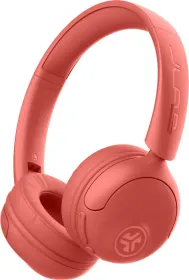 JLab
JLab Studio 2 Wireless Headphones
₹2,499
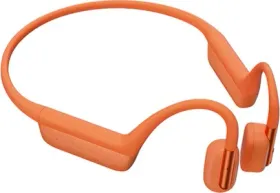 Xiaomi
 Bone Conduction Headphones 2
₹7,999
Higher spec-score estimateSpecification Comparison
| Feature | JLab Studio 2 Wireless Headphones | Xiaomi Bone Conduction Headphones 2 |
|---|---|---|
| Launch Date | 2026 | 21 July 2025 |
| Processor | - | - |
| Battery | 380 mAh | 12 hours |
| Price | (the lower stored price)₹2,499 | ₹7,999 |
| Fit | On the Ear | Open Ear |
| Weight | 138 g | - |
| Dimensions | 71.88 x 185.93 x 152.91 mm | - |
| Bluetooth | Yes, 5.4 | Yes |
| USB | Yes | Yes |
| Model | Studio 2 | Bone Conduction Headphones 2 |
| Capacity | 380 mAh | - |
| Wireless | Bluetooth | - |
| Form Factor | On the Ear | Open Ear |
| Design | Headphone | Bone Conduction |
| Connectivity | Wireless, Wired | Wireless |
| Range | 10 m | - |
| Microphone | Yes | Yes |
| Voice Assistant | Yes | - |
| Foldable | Yes | - |
| Controls | Button Control | Power Button, Volume +/- |
| Other | Type-C Charging, Google Fast Pair, Microsoft Swift Pair, Multipoint Connectivity, JLab App Support, EQ3 Sound, OTA, Safe Hearing, Wireless Share Mode | IP68 Rated, Low Latency, Dual-Device Connectivity, Type-C Charging, 32GB Internal Storage |
| Frequency Response | 20 Hz (Min) - 20 kHz (Max) | 20 Hz (Min) - 20 kHz (Max) |
| Driver | 40 mm | - |
| Type | 10 min Charge= 1 hour of Playtime | 10 min Charge= 3 hour of Playtime |
| Life | 45 hours | 12 hours |
| Charging | 2 hours | - |
| Bass | Yes | Yes |
| Water Resistance | - | Yes |
| Noise Cancellation | - | Yes |
Shaded cells mark the higher stored value on that row - and the lower one for weight and price. Rows where the better choice depends on what you want, such as panel type or operating system, are left plain. This is a reading aid, not a verdict: how the comparison works.
Specification strengths: JLab Studio 2 Wireless Headphones
- Affordable at ₹2,499
Specification strengths: Xiaomi Bone Conduction Headphones 2
- Dust and water resistant for durability
- Active noise cancellation for immersive listening
Considerations: JLab Studio 2 Wireless Headphones
- No significant drawbacks for most users
Considerations: Xiaomi Bone Conduction Headphones 2
- No significant drawbacks for most users
Strengths and considerations are derived from the listed specifications, not from independent lab tests or user reviews.
Spec-score comparison
Xiaomi Bone Conduction Headphones 2 has the higher CoreInfo spec score, a specification-derived heuristic rather than a measured benchmark. The sourced price is ₹2,499 for the JLab Studio 2 Wireless Headphones and ₹7,999 for the Xiaomi Bone Conduction Headphones 2. Compare the stored fields below against your own priorities.
Frequently Asked Questions
What are the main differences between JLab Studio 2 Wireless Headphones and Xiaomi Bone Conduction Headphones 2?
JLab Studio 2 Wireless Headphones, while Xiaomi Bone Conduction Headphones 2..
What camera does each device list?
Camera details are not available for these devices.
What battery capacity does each device list?
The JLab Studio 2 Wireless Headphones has a 380 mAh battery, while the Xiaomi Bone Conduction Headphones 2 has a 12 hours battery.
How do the listed prices compare?
The JLab Studio 2 Wireless Headphones is priced at ₹2,499, while the Xiaomi Bone Conduction Headphones 2 costs ₹7,999.
How do I choose between JLab Studio 2 Wireless Headphones and Xiaomi Bone Conduction Headphones 2?
Start with the fields that matter to you: display size, processor, memory, storage, camera, battery and price. Xiaomi Bone Conduction Headphones 2 has the higher CoreInfo spec score, a specification-derived heuristic rather than a measured benchmark. The sourced price is ₹2,499 for the JLab Studio 2 Wireless Headphones and ₹7,999 for the Xiaomi Bone Conduction Headphones 2. Compare the stored fields below against your own priorities.
Want to Compare More Devices?
Use our comparison tool to compare up to 4 devices side by side.
Start Comparing