
Apple iPhone 16 Pro Max vs Motorola Razr 60 Ultra
Compare sourced specifications, release dates and prices. CoreInfo does not declare a universal winner.
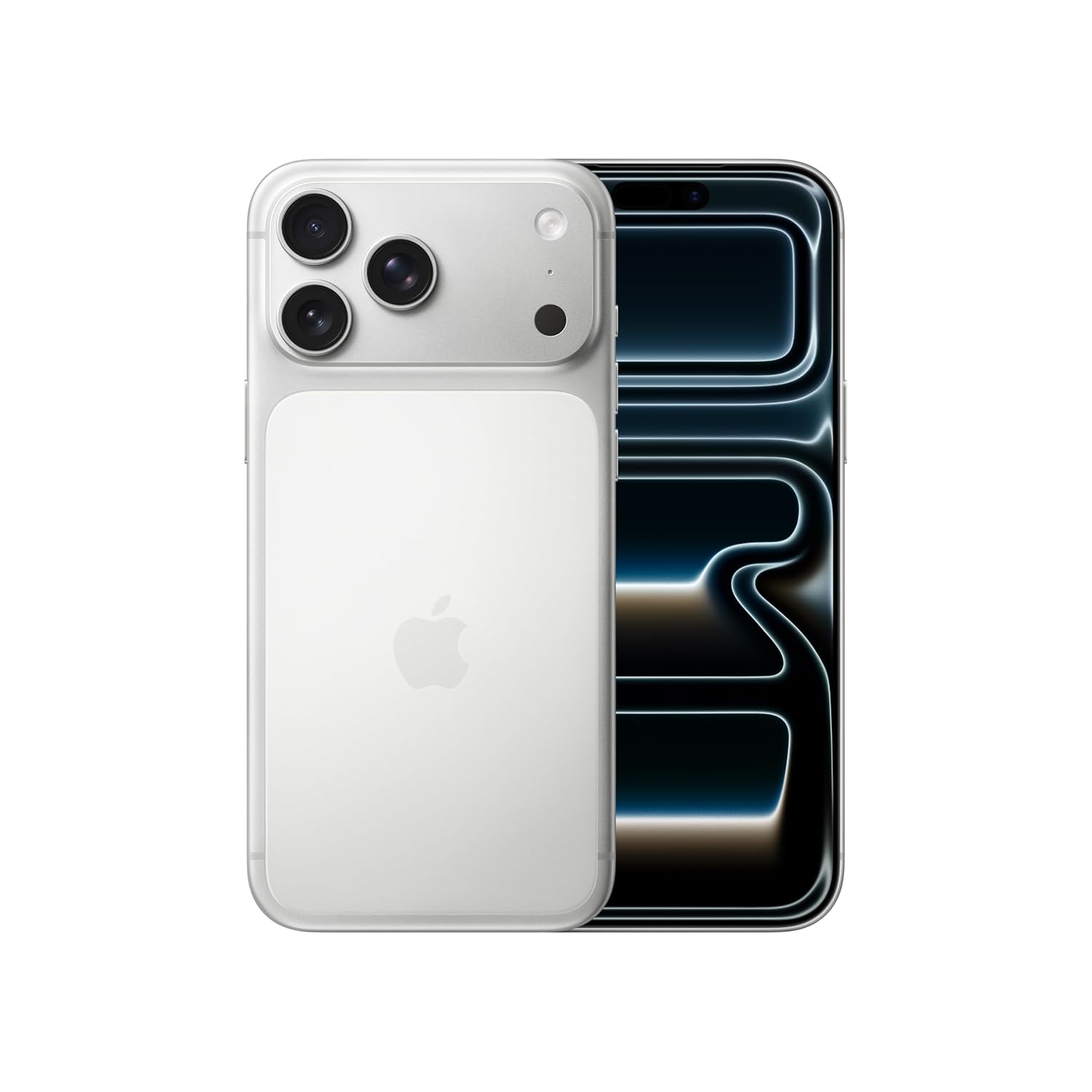 Apple
Apple iPhone 16 Pro Max
₹134,900
 Motorola
 Razr 60 Ultra
₹79,990
Higher spec-score estimateSpecification Comparison
| Feature | Apple iPhone 16 Pro Max | Motorola Razr 60 Ultra |
|---|---|---|
| Launch Date | September 2024 | 13 May 2025 |
| Display | 6.9 inches, LTPO OLED, 120Hz | 6.96 inches, LTPO AMOLED, 165Hz |
| Processor | Apple Bionic A18 Pro | Qualcomm Snapdragon 8 Elite |
| RAM | 8 GB | (higher on this row)16 GB |
| Storage | 256 GB | (higher on this row)512 GB |
| Main Camera | 48 MP ƒ/1.8 (Wide Angle) · 24mm, 1/1.28", 1.22µm, Dual Pixel PDAF, Sensor-Shift OIS · 12 MP ƒ/2.8 (Telephoto) · 120mm, 1/3.06", 1.12µm, Dual Pixel PDAF, 3D Sensor‑Shift OIS, 5x Optical Zoom · 48 MP ƒ/2.2 (Ultra Wide) · 13mm, 0.7µm, PDAF | 50 MP ƒ/1.8 (Wide Angle) · 24mm (wide), 1/1.56", 1.0µm, multi-directional PDAF, OIS · 50 MP ƒ/2 (Ultra Wide) · 12mm, 122˚ (ultrawide), 0.6µm, PDAF |
| Front Camera | 12 MP ƒ/1.9 (Wide Angle) · 23mm (wide), 1/3.6", 1.0µm, PDAF, OISAutofocus, Retina Flash | 50 MP ƒ/2 (Wide Angle) |
| Battery | 4685 mAh | (higher on this row)4700 mAh |
| Operating System | iOS v18, upgradable to v18.5 | Android v15 |
| Price | ₹134,900 | (the lower stored price)₹79,990 |
| Type | Non-Removable Battery, LTPO OLED, Smartphone | Non-Removable Battery, LTPO AMOLED, Smartphone |
| Charging | 25W MagSafe and 15W Qi2, 4.5W | 68W Fast Charging, 30W, 5W |
| Capacity | 4685 mAh | (higher on this row)4700 mAh |
| Weight | 227 g | (lower on this row)199 g |
| Dimensions | 77.6 x 163 x 8.3 mm | 74 x 171.5 x 7.2 mm |
| Colors | Black Titanium, White Titanium, Natural Titanium, Desert Titanium | - |
| IP Rating | IP68 | IP48 |
| SIM | Dual Sim, GSM+GSM, eSIM+Nano SIM | Dual Sim, GSM+GSM |
| Water Resistance | 6 m up to 30 min | 1 m up to 30 min |
| Video | 4K @ 100/120/24/25/30/60 fps UHD, 1080p @ 120/240/25/30/60 fps FHD, 720p @ 30 fps HD, 4K @ 24/25/30/60 fps UHD, 1080p @ 120/25/30/60 fps FHD | 8K @ 30 fps UHD, 4K @ 60 fps UHD, 1080p @ 60 fps FHD |
| Features | Phase Detection Autofocus, Dual LED, 1,000 nits Max Brightness (Typical); 1,600 nits Peak Brightness (HDR); 2,000 nits Peak Brightness (outdoor); 1 nit Minimum Brightness, HDR10, Dolby Vision | Yes, LED, 4500 nits (peak), HDR10+, Dolby Vision |
| 5G | Yes | Yes |
| Network | Yes | Yes |
| VoLTE | Yes | Yes, Dual Stand-By |
| WiFi | Wi-Fi 7 (802.11 a/b/g/n/ac/6e/7), Tri Band | WiFi 6E |
| Bluetooth | Yes, v5.3, A2DP, LE | Yes, v5.4 |
| NFC | Yes | Yes |
| USB | USB-C v3.2, USB Tethering, USB Charging | USB-C, USB on-the-go, USB Charging |
| GPS | GPS, GLONASS, Galileo, QZSS, BeiDou and NavIC | GPS, GLONASS, Galileo, QZSS, Beidou |
| Size | 6.9 inches, 1320 x 2868 pixels, 120 Hz | 6.96 inches, 1224 x 2992 pixels, 165 Hz |
| Protection | Ceramic Shield Glass (2024 Gen) | Gorilla Glass Ceramic |
| Refresh Rate | 120Hz | (higher on this row)165Hz |
| Fingerprint | No | Yes, Side |
| Other | Face ID, Accelerometer, Gyro, Proximity, Compass, Barometer, Camera Control Button, Grade 5 Titanium, Titanium design, Latest-Generation Ceramic Shield Front, Textured Matt Glass Back, New 16-core Neural Engine, DisplayPort, Ultra Wideband (UWB) Support (Gen2 Chip), Emergency SOS, AI Mobile (Apple Intelligence), NVMe | Notification LED, Approch IR Sensor, Proximity Sensor, Ambient Light Sensor, Accelerometer, Gyroscope, eCompass, Hall sensor, eSIM support, AI Editing Features, Ai Mobile (Powered by moto ai), AI Image Studio, AI Playlist Studio, Google Gemini, LPDDR5X, UFS 4 |
| Release Date | September 09, 2024 | May 13, 2025 |
| Model | iPhone 16 Pro Max (A3296, A3084, A3295, A3297, iPhone17,2) | XT2551-6 |
| Card Slot | No | No |
| Chipset | Apple Bionic A18 Pro | Qualcomm Snapdragon 8 Elite |
| CPU | 4.05 GHz, Hexa Core Processor | 4.32 GHz, Octa Core Processor |
| GPU | Apple GPU (6-core Graphics) | Adreno 830 |
| 3.5mm jack | No | No |
| Speakers | Stereo, 3D (Spatial) Audio, Stereo Sound | Dual Stereo, Dolby Atmos, Spatial Sound Qualcomm, Snapdragon Sound |
| Updates | - | 3 years OS updates, 4 years security updates |
Shaded cells mark the higher stored value on that row - and the lower one for weight and price. Rows where the better choice depends on what you want, such as panel type or operating system, are left plain. This is a reading aid, not a verdict: how the comparison works.
Specification strengths: Apple iPhone 16 Pro Max
- Reliable 4685 mAh battery for full-day use
- 8 GB RAM for solid multitasking
- Vibrant LTPO OLED, 120Hz display with deep blacks and rich colors
- Expansive 6.9-inch display for immersive viewing
- Flagship-tier Apple Bionic A18 Pro for top performance
- Dust and water resistant for durability
- Quality audio with 1,000 nits Max Brightness (Typical); 1,600 nits Peak Brightness (HDR); 2,000 nits Peak Brightness (outdoor); 1 nit Minimum Brightness, HDR10, Dolby Vision
Specification strengths: Motorola Razr 60 Ultra
- Reliable 4700 mAh battery for full-day use
- 16 GB RAM for excellent multitasking
- Capable 50 MP ƒ/1.8 (Wide Angle) · 24mm (wide), 1/1.56", 1.0µm, multi-directional PDAF, OIS · 50 MP ƒ/2 (Ultra Wide) · 12mm, 122˚ (ultrawide), 0.6µm, PDAF main camera for quality shots
- High-quality 50 MP ƒ/2 (Wide Angle) selfie camera
- Vibrant LTPO AMOLED, 165Hz display with deep blacks and rich colors
- Expansive 6.96-inch display for immersive viewing
- Flagship-tier Qualcomm Snapdragon 8 Elite for top performance
- Generous 512 GB storage for apps, media and files
- Quality audio with 4500 nits (peak), HDR10+, Dolby Vision
Considerations: Apple iPhone 16 Pro Max
- Premium price tag at ₹134,900
Considerations: Motorola Razr 60 Ultra
- No significant drawbacks for most users
Strengths and considerations are derived from the listed specifications, not from independent lab tests or user reviews.
Spec-score comparison
Motorola Razr 60 Ultra has the higher CoreInfo spec score, a specification-derived heuristic rather than a measured benchmark. The Apple iPhone 16 Pro Max lists the Apple Bionic A18 Pro while the Motorola Razr 60 Ultra lists the Qualcomm Snapdragon 8 Elite. The sourced price is ₹134,900 for the Apple iPhone 16 Pro Max and ₹79,990 for the Motorola Razr 60 Ultra. Compare the stored fields below against your own priorities.
Frequently Asked Questions
What are the main differences between Apple iPhone 16 Pro Max and Motorola Razr 60 Ultra?
Apple iPhone 16 Pro Max features the Apple Bionic A18 Pro with 8 GB RAM, while Motorola Razr 60 Ultra comes with the Qualcomm Snapdragon 8 Elite with 16 GB RAM. Apple iPhone 16 Pro Max has a 6.9 inches display, while Motorola Razr 60 Ultra has a 6.96 inches display.
What camera does each device list?
The Apple iPhone 16 Pro Max lists a 48 MP ƒ/1.8 (Wide Angle) · 24mm, 1/1.28", 1.22µm, Dual Pixel PDAF, Sensor-Shift OIS · 12 MP ƒ/2.8 (Telephoto) · 120mm, 1/3.06", 1.12µm, Dual Pixel PDAF, 3D Sensor‑Shift OIS, 5x Optical Zoom · 48 MP ƒ/2.2 (Ultra Wide) · 13mm, 0.7µm, PDAF main camera; the Motorola Razr 60 Ultra lists a 50 MP ƒ/1.8 (Wide Angle) · 24mm (wide), 1/1.56", 1.0µm, multi-directional PDAF, OIS · 50 MP ƒ/2 (Ultra Wide) · 12mm, 122˚ (ultrawide), 0.6µm, PDAF main camera. These are published specifications, not measured image-quality results.
What battery capacity does each device list?
The Apple iPhone 16 Pro Max has a 4685 mAh battery, while the Motorola Razr 60 Ultra has a 4700 mAh battery.
How do the listed prices compare?
The Apple iPhone 16 Pro Max is priced at ₹134,900, while the Motorola Razr 60 Ultra costs ₹79,990.
How do I choose between Apple iPhone 16 Pro Max and Motorola Razr 60 Ultra?
Start with the fields that matter to you: display size, processor, memory, storage, camera, battery and price. Motorola Razr 60 Ultra has the higher CoreInfo spec score, a specification-derived heuristic rather than a measured benchmark. The Apple iPhone 16 Pro Max lists the Apple Bionic A18 Pro while the Motorola Razr 60 Ultra lists the Qualcomm Snapdragon 8 Elite. The sourced price is ₹134,900 for the Apple iPhone 16 Pro Max and ₹79,990 for the Motorola Razr 60 Ultra. Compare the stored fields below against your own priorities.
Want to Compare More Devices?
Use our comparison tool to compare up to 4 devices side by side.
Start Comparing